What to Check Before Buying a Rural Retreat: Acreage, Access, Water, and Outbuildings
A rural retreat can promise privacy, recreation, room for animals, or space for a workshop. But acreage and attractive improvements do not, by themselves, establish that a property is buildable, accessible in every season, adequately supplied with water, or legally usable as intended. Before committing, evaluate the land, route, water and waste systems, and outbuildings as separate parts of the purchase.
Start with usable acreage, not the headline number
Confirm the boundaries with a current survey rather than relying only on listing acreage, fence lines, tax records, or visual impressions. The survey should identify property lines, road frontage, easements, encroachments, structures, water features, and utility corridors.
Then ask how much of the land is genuinely useful for your plans. Steep slopes, wetlands, flood-prone ground, poor drainage, shallow bedrock, and limited septic suitability can reduce the practical value of a large tract. The USDA Web Soil Survey is a useful early screening tool, but it does not replace a site-specific evaluation.
The intended use matters as much as the acreage. Verify zoning and local rules before assuming you can add a dwelling, keep livestock, operate a short-term rental, divide the parcel, or convert an outbuilding into living space.
Virginia Pittsylvania County
Rustic Cabin on 25 Acres near Lake
$299,000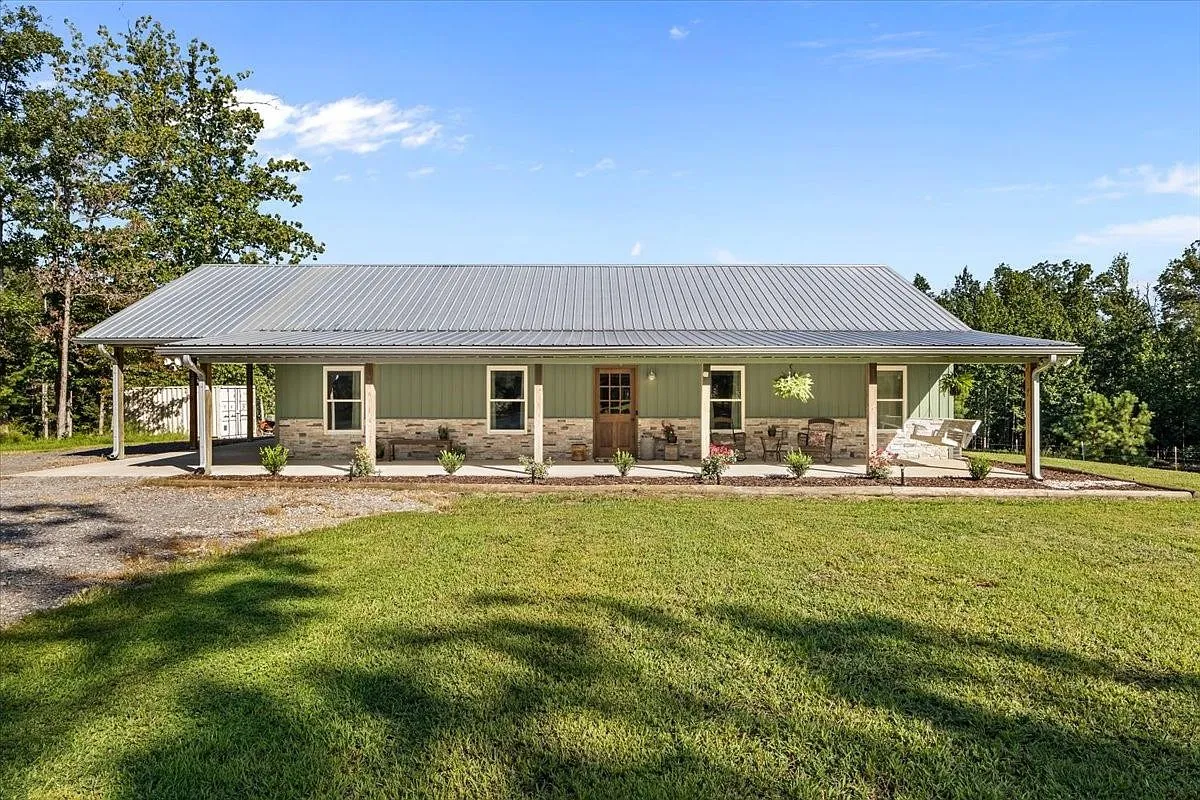
Tennessee
2022 Barndominium on 13.12 Acres at 129 Upper Alsup Rd, Tennessee Ridge, TN
$449,000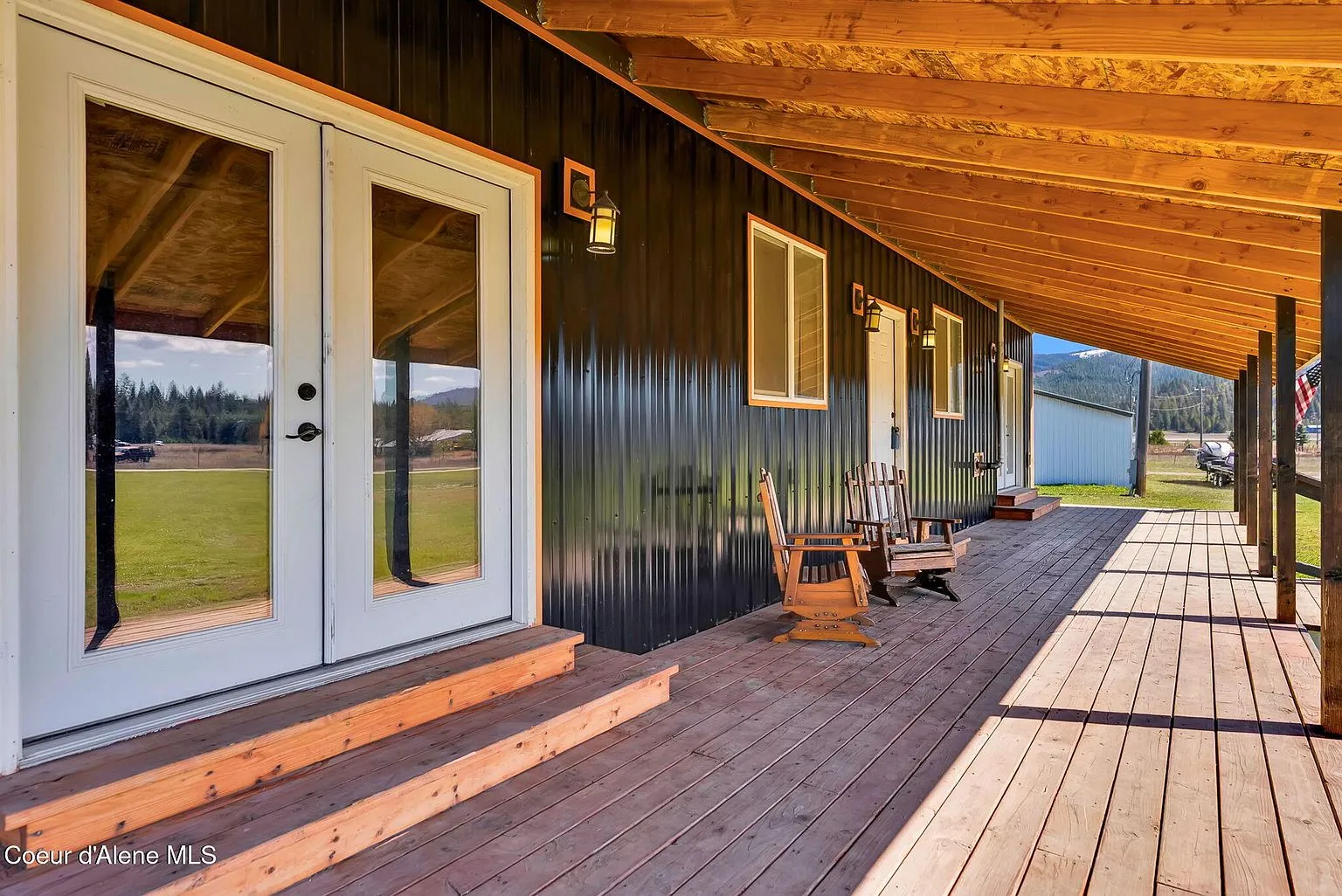
Idaho
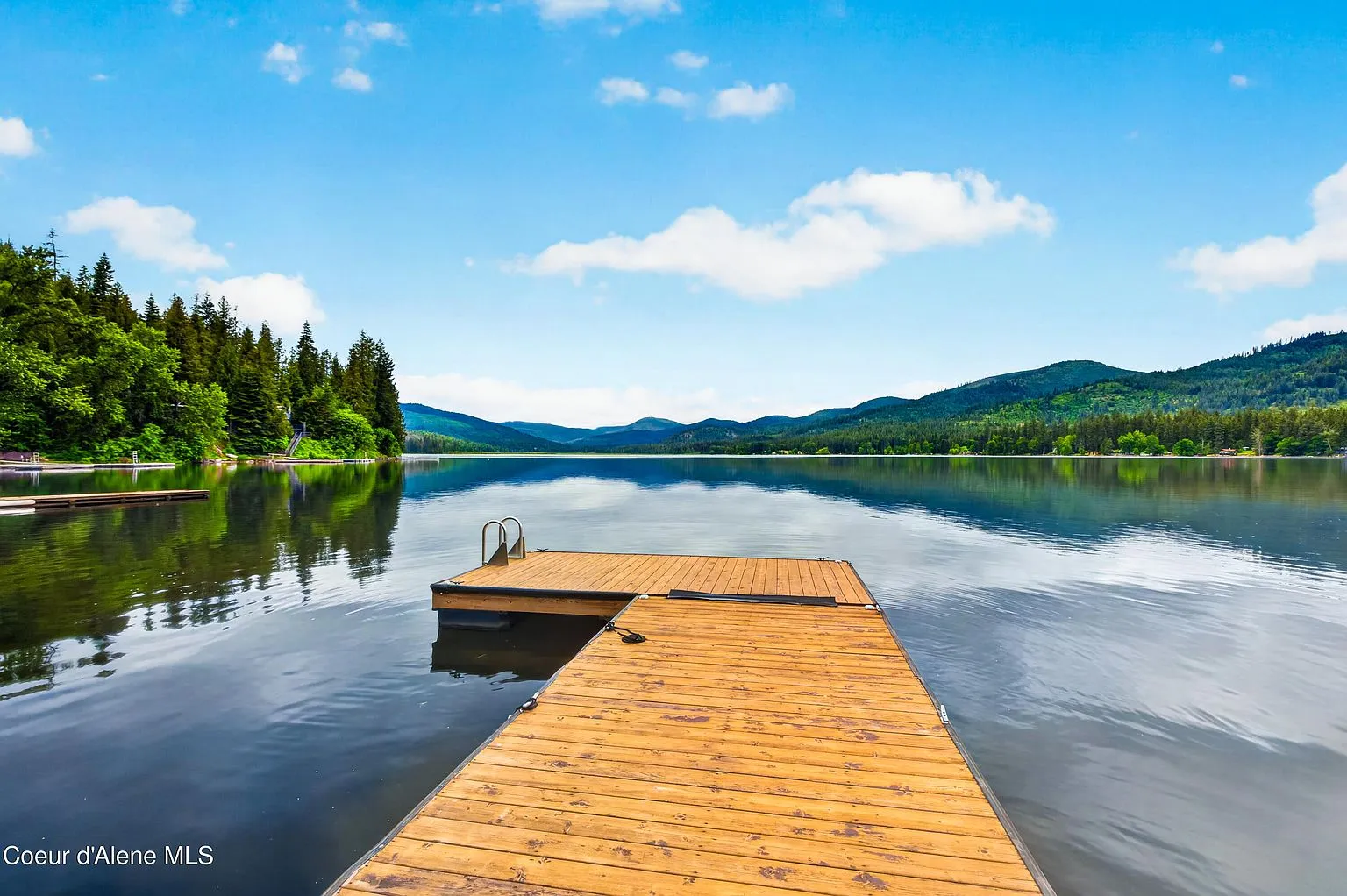
North Idaho Homestead at 229 McDonald Creek Rd, Blanchard, ID
$459,900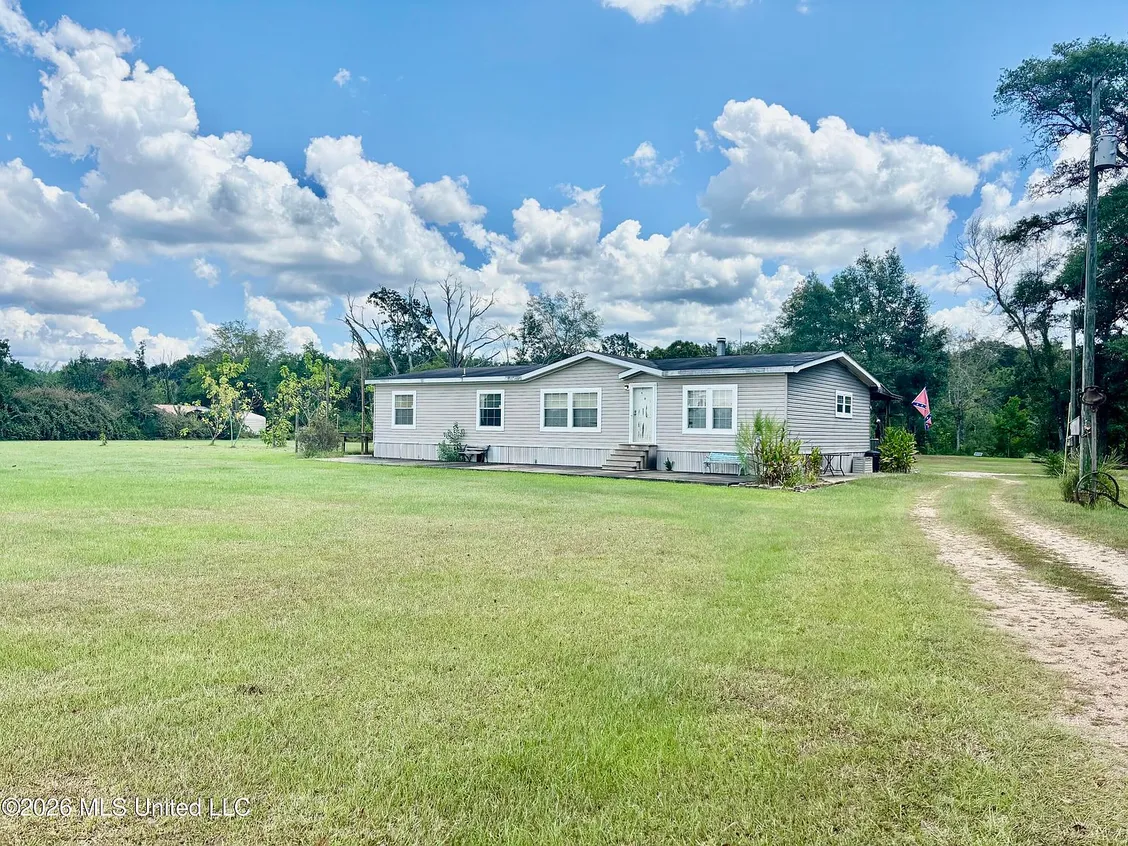
Mississippi
46 Pearl View Cir, Monticello, MS 39654: Riverfront Manufactured Home on 7 Acres
$239,500Compare land layout with the way you plan to live
A property designed for recreation may not offer the same practical flexibility as a homestead. Look for the relationship between level ground, wooded areas, pasture, water, driveways, septic sites, and existing structures.
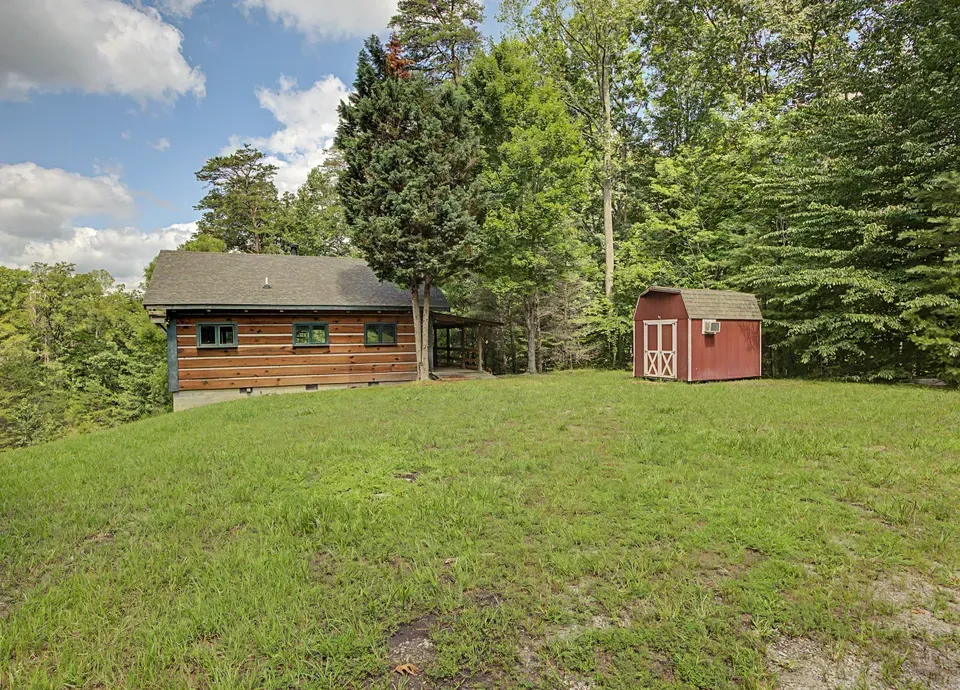
Listing 57 combines a wooded 25-acre setting with a cabin, water views, a wraparound deck, and an electrified shed. Confirm which portions of the acreage are accessible and suitable for future improvements rather than assuming the entire tract has equal utility.
Listing 87 describes approximately 13.12 usable acres with a pond, fenced areas, woodland, a run-in shed, and a storage container. Buyers considering livestock or equipment should verify fencing condition, drainage, local livestock rules, and whether the structures are permitted and fit for the intended use.
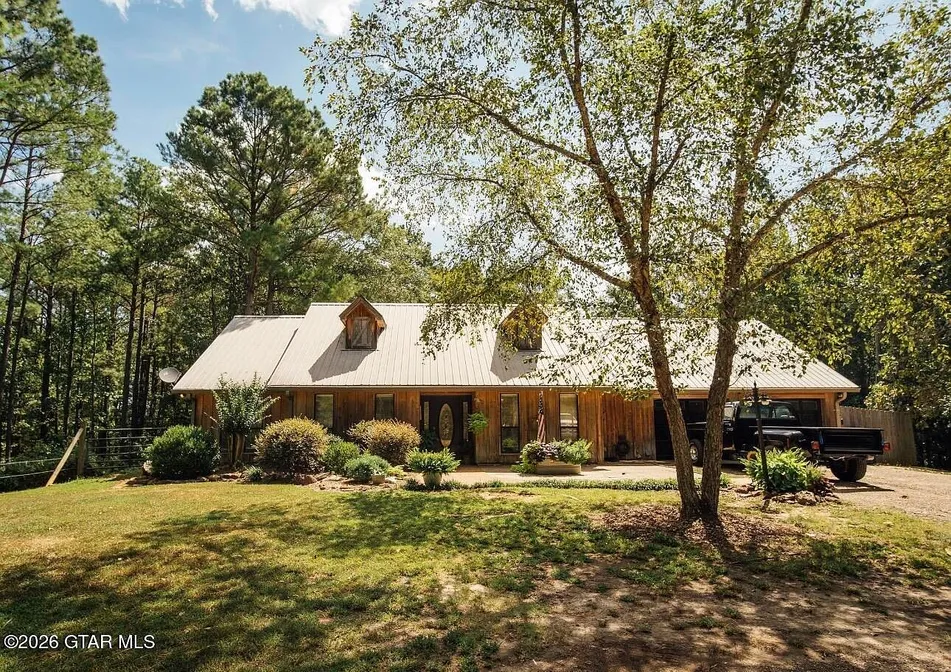
Listing 158 offers five acres with fenced pasture, a barn, and a separate guest-house or ADU structure that reportedly requires repairs. Before assigning value to the additional structure, confirm its legal status, utilities, septic capacity, condition, and whether the proposed use is allowed.
Treat access as both a title issue and an inspection issue
A visible driveway does not necessarily establish a permanent right to reach the property. Have a title company or real-estate attorney review recorded access and utility easements, including their location, width, permitted uses, maintenance obligations, transferability, and any gates or seasonal restrictions.
Physical access deserves equal attention. Visit in different weather if possible and inspect grades, drainage, culverts, bridges, turning space, surface condition, and emergency-vehicle access. Shared or private roads may also require agreements about snow removal, repairs, and cost sharing. USDA rural-loan guidance illustrates why lenders may care about permanent recorded access and an all-weather route, although requirements vary by transaction.
The access arrangement can materially change the experience of a retreat. Listing 145 is described as a private, boat-access-only setting, so a buyer should clarify how people, supplies, emergency services, utilities, and maintenance needs are handled. Listing 199 should be reviewed for the legal and practical route to the home, pasture, barn, and other improvements, including whether larger vehicles can reach them.
landlocked | Wex | US Law | LII / Legal Information Institute ↗
Waterfront appeal does not replace water and flood due diligence
For waterfront or water-view land, determine exactly what the buyer receives: shoreline ownership, access rights, dock or ramp rights, shared-use restrictions, erosion exposure, and any floodplain or setback requirements. Check FEMA’s flood-hazard information as an initial screen, then consult the local floodplain administrator because local requirements and site conditions may add restrictions.
Listing 185 describes direct Pearl River access and a concrete boat ramp from the backyard. Confirm the ramp’s permits, condition, ownership, maintenance responsibilities, bank stability, flood exposure, and whether the access remains usable during changing water levels.
Listing 145 reports 100 feet of waterfront on Twin Lakes, while listing 57 describes scenic water views and boating and fishing opportunities. These descriptions should prompt questions about the exact water rights, shoreline conditions, seasonal accessibility, and whether recreational access is private, shared, or otherwise limited.
Test water quantity, quality, and wastewater systems
Identify the water source: private well, shared well, spring, cistern, or public system. Request available well records, including depth, yield, construction details, pump information, and repair history. A seller’s assurance that a well has been reliable is not a substitute for an independent flow or yield test.
Order an independent water-quality test through a qualified or state-certified laboratory. EPA guidance highlights recurring testing for private wells and recommends considering additional contaminants based on local risks. Also investigate whether the system serves irrigation, livestock, or other properties and whether backup power is needed.
If there is no public sewer, obtain septic permits and installation records and arrange a professional inspection. The review should cover the tank, baffles, filters, distribution components, drainfield, signs of failure, capacity, and any reserve area. Well location and septic location should be considered together because a failing or poorly placed septic system can threaten drinking water.
For listings 57, 87, 145, 158, 185, and 199, the available descriptions do not establish the condition, capacity, or legal status of private water and wastewater systems. Those facts should be confirmed independently before relying on the properties for full-time occupancy, guests, animals, or future construction.
Protect Your Home's Water | US EPA ↗
Inspect every outbuilding and verify its permitted use
Barns, sheds, garages, workshops, containers, cabins, and guest structures can be valuable, but they can also carry repair, insurance, permitting, and removal costs. For each structure, ask when it was built, whether it was permitted, whether it appears in county records, whether it sits entirely within the parcel, and whether its utilities are approved.
Do not treat finished space as an approved dwelling. Confirm occupancy classification, building permits, septic capacity, fire access, setbacks, floodplain restrictions, short-term-rental rules, and any certificate-of-occupancy requirements before paying for a proposed guesthouse, rental, workshop, or event space.
Listing 199 describes a two-car garage, storage room, fenced pasture, barn area, and hen house. Listing 87 mentions a run-in shed and shipping container, while listing 158 includes a barn and a separate guest-house or ADU structure requiring repairs. Each improvement should receive its own structural, electrical, plumbing, pest, moisture, and permit review.
Listing 57 describes an electrified shed intended for storage or workspace. Verify the electrical installation, permitting, insurance implications, and whether the shed’s location complies with setbacks and other local requirements.
Build a document file before the inspection period ends
A useful due-diligence file should include the purchase agreement, survey, title commitment, deed and legal description, recorded easements, zoning confirmation, building and septic permits, well records, water testing, septic inspection, well-yield report, insurance quotes, tax records, flood information, and written repair estimates.
Ask professionals to resolve discrepancies among the listing, deed, tax record, survey, and county records. Title insurance may address certain title risks, but it does not replace an inspection, zoning confirmation, survey, or review of access and utility rights. The Consumer Financial Protection Bureau notes that buyers may consider owner’s title insurance and that title services can be negotiable.
Pause when a seller cannot document access, a guest structure has no clear approval, the well cannot be tested, the septic location is unknown, acreage differs across records, or the road is only seasonally passable. A rural property is usually a better purchase when its land, route, water systems, and improvements have been independently verified.
Shop for title insurance and other closing services | Consumer Financial Protection Bureau ↗
Frequently Asked Questions
How can I tell whether advertised acreage is actually usable?
Request a current boundary survey and compare it with zoning, floodplain information, soil conditions, driveway options, and septic feasibility. Ask the relevant planning or health department to confirm whether your intended home, animals, additions, or other uses are allowed. Listing 87’s description of usable acreage and listing 158’s pasture and barn are starting points for questions, not substitutes for verification.
What should I verify about a private road or shared driveway?
Confirm a recorded, transferable access right and review its width, route, permitted uses, maintenance duties, gates, seasonal limits, and utility rights. Drive the route in different conditions and assess emergency access, drainage, grades, bridges, culverts, and turning space. Listing 145 requires particular attention because it is described as boat-access-only.
What tests should I order for a rural property’s water system?
Identify the water source, obtain available well or system records, order an independent water-quality test, and arrange a professional flow or yield test when a private well is involved. Consider contaminants relevant to local land uses and confirm whether the system also serves irrigation, livestock, or other properties.
How should I evaluate a septic system before buying?
Request permits and installation records from the local authority and arrange a professional inspection of the tank, distribution components, drainfield, capacity, and signs of failure. Confirm that the system can support the intended occupancy and that a replacement or reserve area exists where required.
Can I use a barn, shed, container, or guest structure as living space?
Not necessarily. Confirm zoning, building permits, occupancy classification, electrical and plumbing approvals, septic capacity, fire access, setbacks, floodplain rules, and any certificate-of-occupancy requirement. Listing 158’s separate guest-house or ADU structure is specifically described as needing repairs, so its legal status and permitted use should be established before assigning it residential value.
What extra checks apply to waterfront property?
Confirm the exact shoreline and water rights, access or ramp rights, erosion and flood exposure, permits, maintenance responsibilities, setbacks, and seasonal usability. Listing 185’s concrete boat ramp and listing 145’s reported waterfront should both be independently reviewed rather than treated as guaranteed recreational access.
Sources
- Rustic Cabin on 25 Acres near Lake
- 2022 Barndominium on 13.12 Acres at 129 Upper Alsup Rd, Tennessee Ridge, TN
- North Idaho Homestead at 229 McDonald Creek Rd, Blanchard, ID
- 46 Pearl View Cir, Monticello, MS 39654: Riverfront Manufactured Home on 7 Acres
- 495 Austin Place: 14.28-Acre Rural Home for Sale in French Camp, Mississippi
- Twin Lakes Cabin on 100 Feet of Waterfront in Rathdrum, Idaho
- Web Soil Survey | Natural Resources Conservation Service
- Products and Tools | FEMA.gov
- landlocked | Wex | US Law | LII / Legal Information Institute
- Microsoft Word - 3555-1chapter12
- Protect Your Home's Water | US EPA
- New Homebuyer's Guide to Septic Systems (Guide)
- Septic Systems and Drinking Water | US EPA
- Shop for title insurance and other closing services | Consumer Financial Protection Bureau