Land, Legacy, and the Rural Property Outlier
Rural properties are rarely interchangeable. A compact cabin beside wooded acreage serves a different purpose from a fenced small farm, while a large mountain ranch introduces an entirely different level of stewardship, infrastructure, and operational complexity. The most useful comparison starts with how the land is meant to function—not simply how many acres it contains.
Start with the land’s intended role
Acreage can support agriculture, livestock, recreation, timber, hunting, privacy, or some combination of these uses. Before comparing homes, buyers should identify whether they want a working property, a retreat, or a legacy-scale holding. Zoning, access, water, fencing, outbuildings, and the condition of the land may matter as much as the residence itself.
Working acreage and small-farm potential
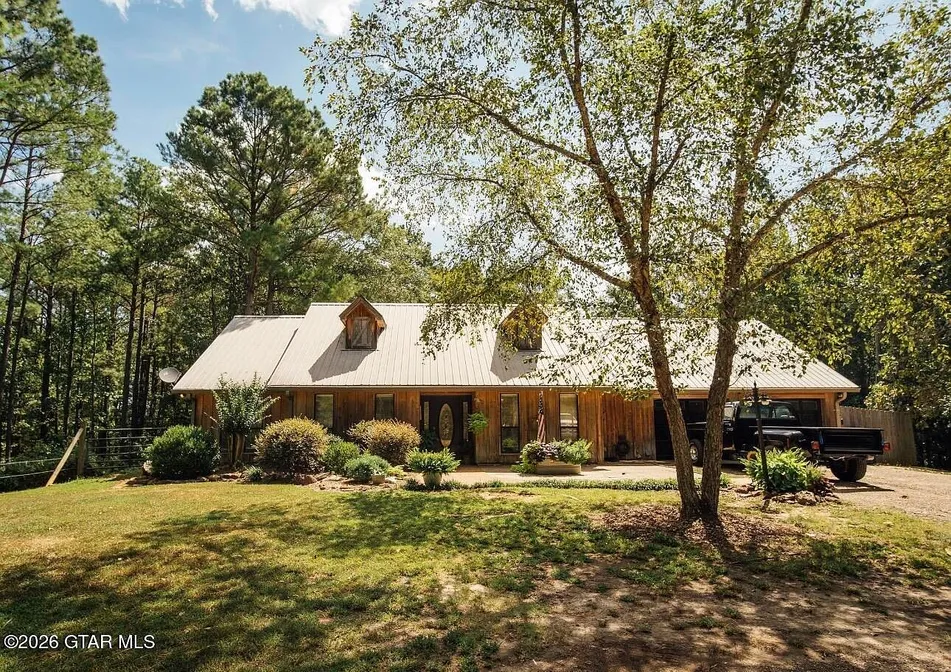
A fenced pasture, timber, barn area, and hen house give the French Camp property a practical small-farm profile. Its combination of a four-bedroom home, garage, pasture, and outbuildings may suit buyers who want room for livestock, horses, gardening, or a homestead without moving into a larger agricultural operation.
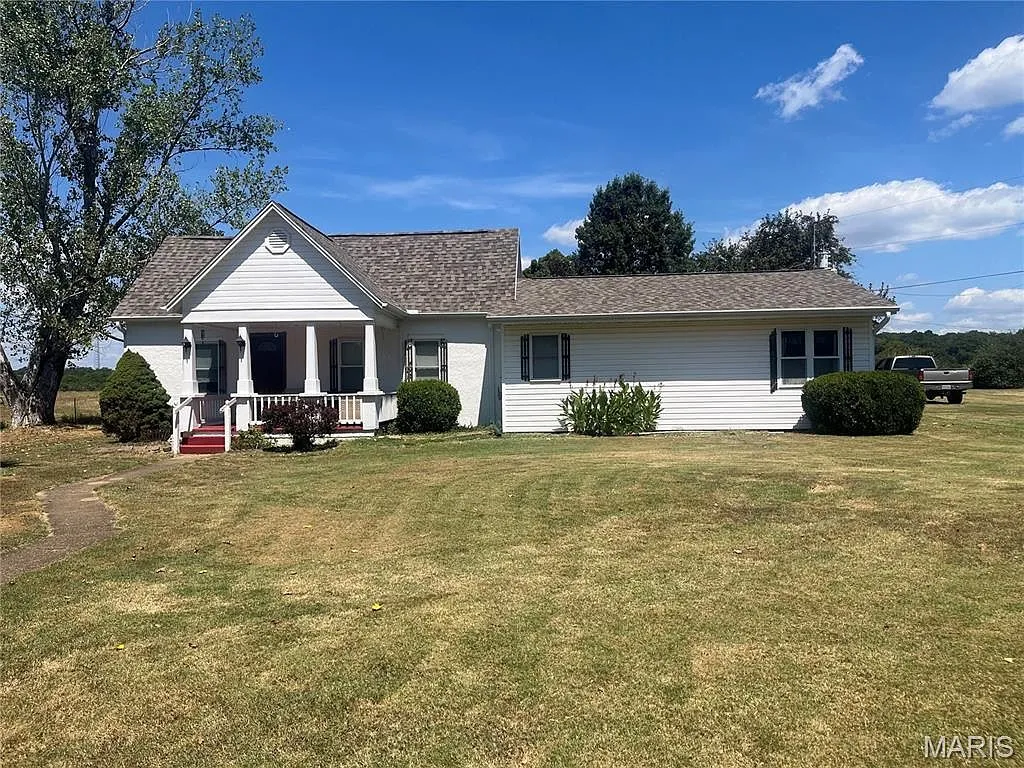
The Houston farmhouse offers another version of rural utility. Its acreage has a history of hay production, and the property includes a barn and two additional outbuildings. That combination may appeal to someone seeking productive land with a comparatively traditional farmhouse setting and nearby everyday services.
The Pilot auction property adds agricultural zoning, a creek, a spring-fed water source, an equipment shed, and a detached electric garage to its acreage. Because it is occupied and offered through an auction process, buyers would need to investigate possession, sale terms, survey details, and the responsibilities associated with any remaining tenant before treating it as a straightforward homestead purchase.
Waterfront retreats: views versus direct recreational value
Water can define a property’s atmosphere, but “waterfront” can describe very different experiences. A riverfront home may emphasize scenery and privacy, while a wooded cabin near a lake may prioritize boating, fishing, and a sense of seclusion. Buyers should verify the exact nature of the water access, shoreline rights, flood exposure, maintenance obligations, and whether the water is on the property or simply nearby.
River, lake, and pond settings
The Millersville property centers on Conestoga River frontage, water views, a deck, and nearly eight acres. Its first-floor layout and sunroom position it as a private river retreat, while the acreage may also support outdoor activities such as canoeing and nature watching.
The Cascade cabin pairs wooded acreage with scenic water views, boating and fishing opportunities nearby, a wraparound deck, and a powered shed. Its smaller cabin footprint and recreational-land character make it a notably different proposition from a full-time rural family home.
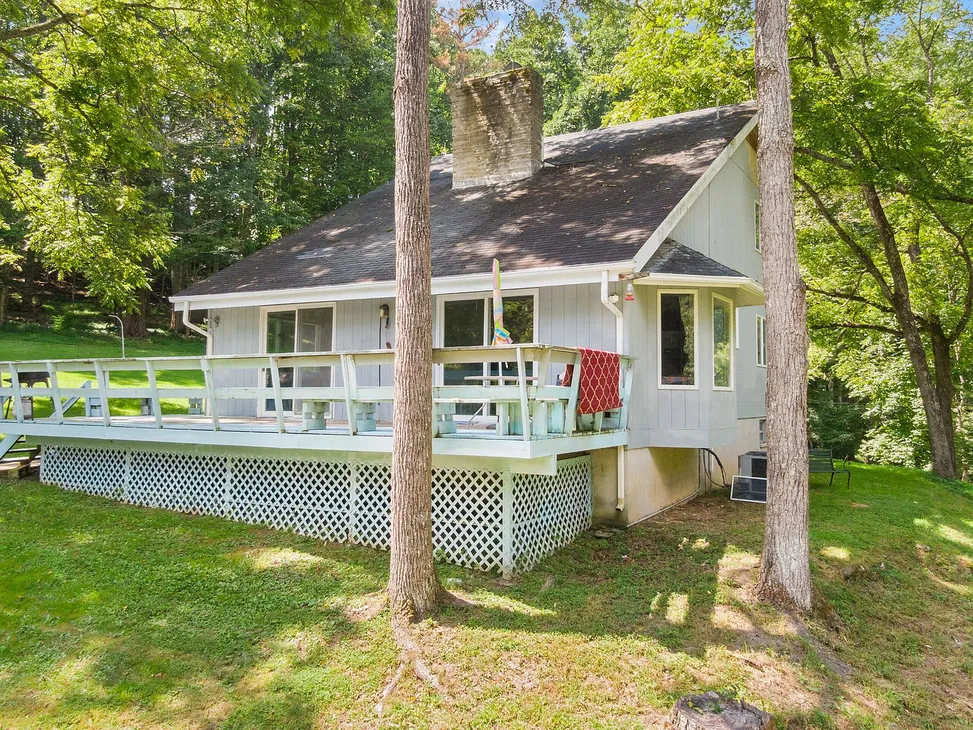
The Marble Hill A-frame combines a private pond with a finished basement, wrap-around porch, shop, cross-fencing, and a history of use as a mini farm. The pond and surrounding wildlife contribute to the retreat experience, while the home’s size and improvements create more room for guests, hobbies, and extended stays.
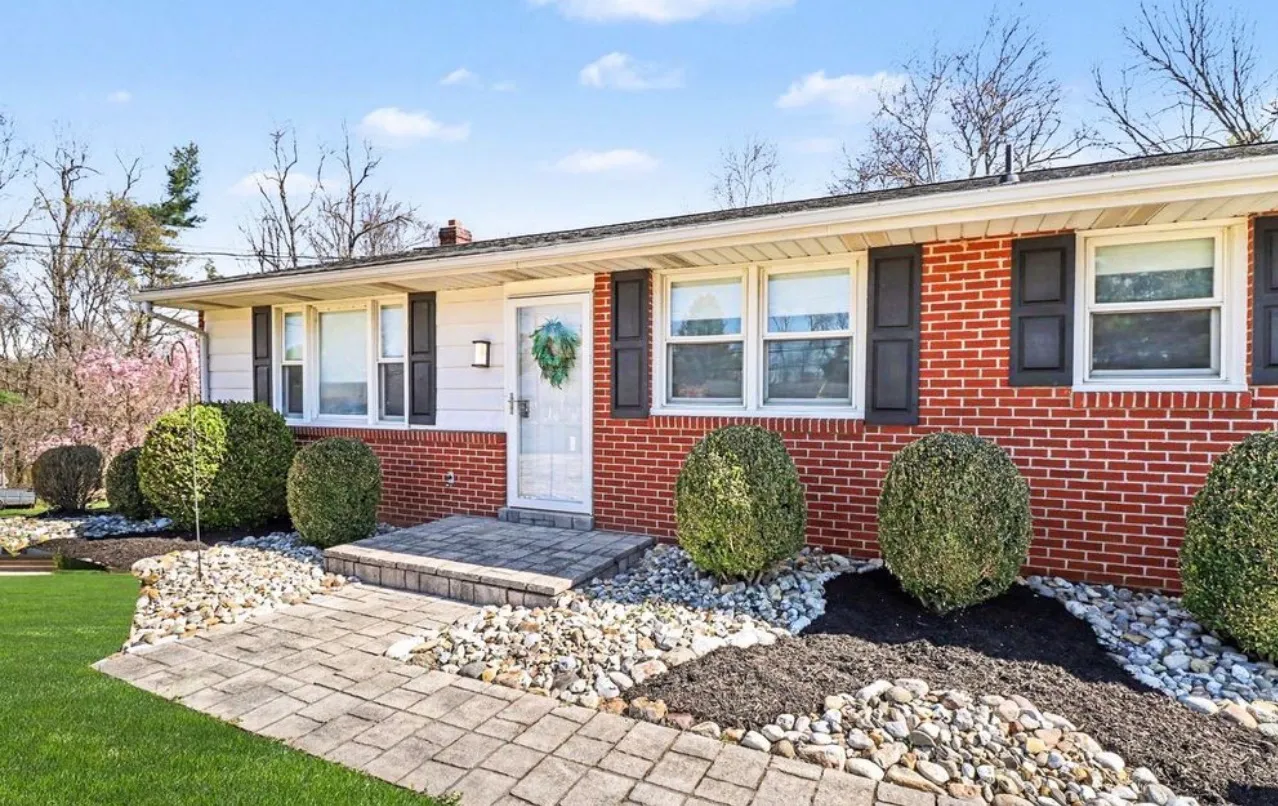
Pennsylvania Lancaster County Millersville borough
Waterfront House for Sale at 913 Stehman Road, Millersville, PA 17551
$975,000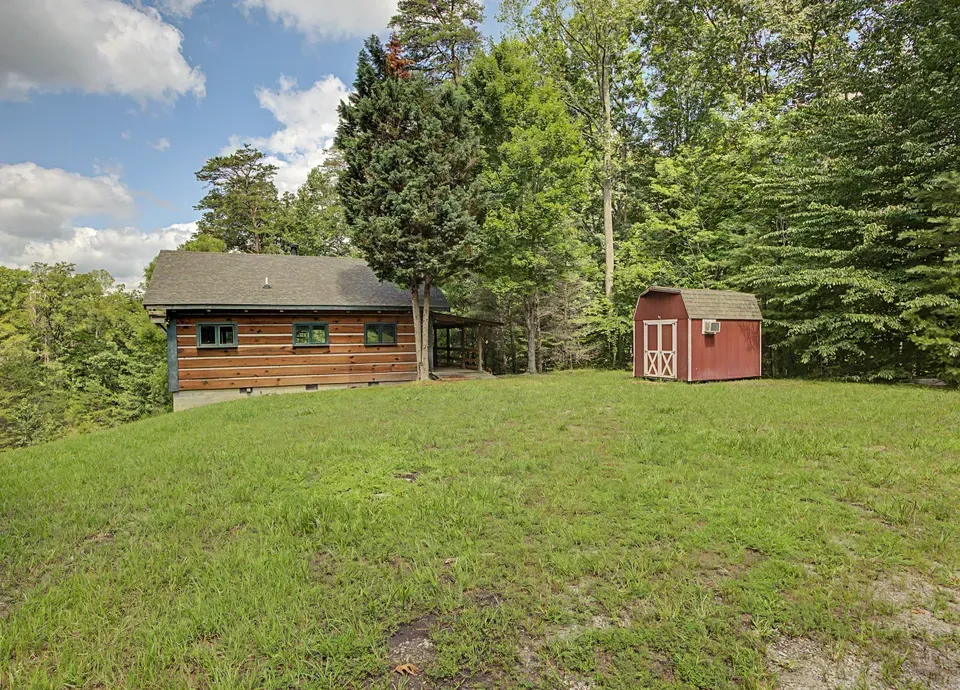
Virginia Pittsylvania County
Rustic Cabin on 25 Acres near Lake
$299,000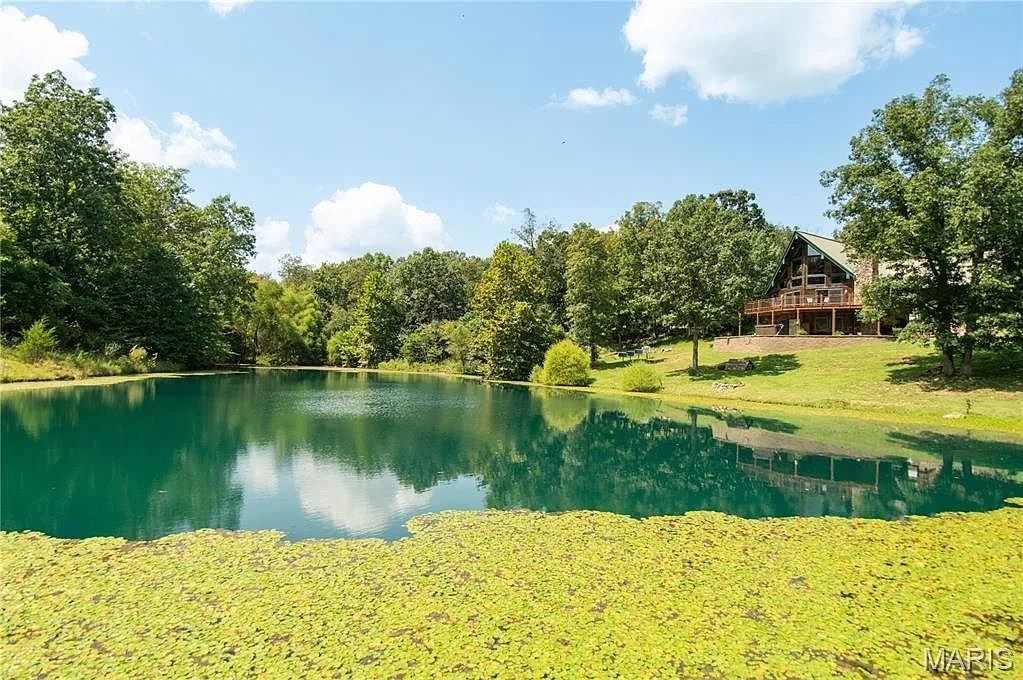
Missouri
Private Ozark Retreat with A-Frame Home, Pond, Shop, and 13.12 Acres in Marble Hill, Missouri
$525,000When acreage becomes a mountain ranch
Large ranch properties should be evaluated as operating landscapes rather than oversized houses. Access, water systems, outbuildings, wildlife management, conservation considerations, seasonal conditions, and staffing can all become central to ownership. The larger the holding, the more important it is to understand what is included, what is managed privately, and what ongoing work the property requires.
The Creede outlier
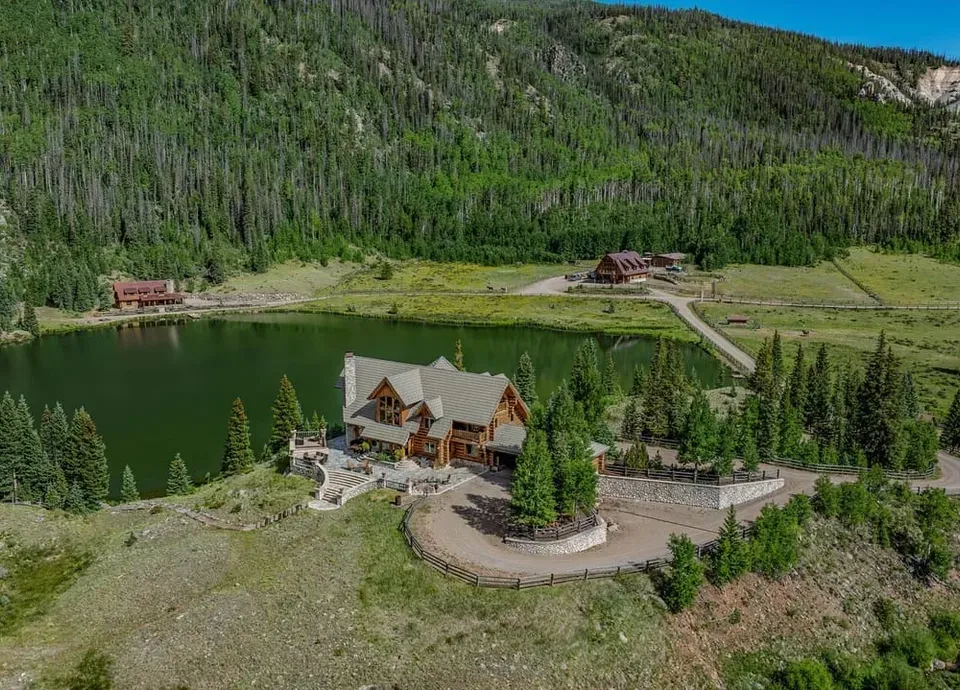
The Creede ranch stands apart from the other properties in both scale and setting. It combines extensive alpine acreage with private lakes, trout streams, a creek, multiple structures, and a substantial log-cabin estate. The listing also describes hunting and fishing resources, a barn with caretaker accommodation, a workshop, and other recreational improvements, making it better understood as a managed mountain compound than as a conventional rural home.
A practical comparison framework
Land quantity is only the first filter. A smaller property with a usable shop, pond, fencing, and reliable access may be more functional for a particular buyer than a larger tract with fewer improvements. Conversely, a buyer seeking privacy, hunting, or an investment in a broad natural landscape may value scale over convenience.
1. Match improvements to the lifestyle
The French Camp and Houston properties emphasize homes paired with practical rural improvements, while the Pilot property adds agricultural zoning and equipment-oriented structures. The Cascade cabin and Marble Hill retreat lean more toward recreation and privacy, with decks, water features, and flexible outdoor space.
The Millersville home emphasizes river setting and comfortable first-floor living, whereas the Creede ranch provides a much broader collection of residential, recreational, and operational structures. These differences can help buyers separate a primary residence from a seasonal retreat or a property requiring active land management.
2. Verify water, access, and land-use assumptions
Descriptions of ponds, creeks, rivers, springs, lakes, and nearby recreation should be confirmed through inspection and documentation. Buyers should ask about water rights, drainage, flood history, easements, road maintenance, hunting or fishing permissions, and the practical distance to services. These details can materially change how usable the land is.
The Pilot listing specifically notes that acreage is subject to survey verification and that the property is occupied. The Cascade listing describes four tracts, while the Millersville, Marble Hill, Creede, French Camp, and Houston properties each present different combinations of water, access, structures, and land use that merit property-specific due diligence.
3. Think beyond the house
For rural ownership, the nonresidential features may determine the property’s long-term usefulness. Shops, barns, sheds, garages, fencing, pasture, workshops, caretaker space, and storage can reduce the need for future construction or make the land easier to manage. They can also introduce maintenance, insurance, permitting, and utility questions.
The listings illustrate this range clearly: the French Camp property includes a garage, barn area, hen house, and fenced pasture; the Houston farmhouse includes a barn and additional outbuildings; the Marble Hill property includes a shop and cross-fencing; and the Creede ranch includes multiple specialized structures. The Pilot property also includes a garage and sheds, while the Cascade cabin offers a powered shed.
4. Choose the right level of remoteness
A rural retreat can feel private without being isolated, but the balance varies widely. Proximity to towns, paved-road access, utilities, emergency services, schools, and healthcare may be decisive for a primary residence. Buyers considering a seasonal or recreational property may accept more distance in exchange for quiet, views, and fewer nearby neighbors.
The Houston property is described as being near local services, while the Pilot property is presented within driving distance of Floyd and Christiansburg. The Creede ranch offers a more secluded alpine experience, and the Millersville property pairs a private setting with a riverfront location in Lancaster County.
A final perspective on rural outliers
The strongest rural purchase is not necessarily the one with the most acreage or the most dramatic setting. It is the property whose land, improvements, access, and management demands align with the buyer’s actual plans. A working homestead, a family country home, a lake-adjacent cabin, and a mountain ranch each reward different kinds of ownership.
Taken together, these properties show the breadth of the rural market: practical acreage in Mississippi and Missouri, recreational retreats in Virginia and Missouri, riverfront living in Pennsylvania, an auction opportunity in Virginia, and a highly specialized mountain holding in Colorado. The right comparison is less about ranking them than about identifying which rural life each one can realistically support.
Frequently Asked Questions
Which listing is best suited to a small farm or homestead?
The French Camp property has a fenced pasture, timber, a barn area, and a hen house, making it one of the clearest small-farm or homestead candidates. The Houston farmhouse also has a history of hay production and includes a barn and additional outbuildings.
Which properties offer the strongest recreational-water focus?
The Cascade cabin is presented as a wooded retreat with scenic water views and nearby boating and fishing. The Marble Hill property has a private pond, while the Millersville home offers Conestoga River frontage and water views. The Creede ranch represents the most extensive water-based setting, with private lakes, streams, and a creek described in the listing.
What should buyers investigate before purchasing the Pilot auction property?
Buyers should review the auction terms, confirm the acreage by survey, understand the agricultural zoning, inspect the occupied home and improvements, and determine how possession and any remaining tenancy will be handled after closing.
Which property offers the most substantial mountain-ranch experience?
The Creede property is the clear mountain-ranch outlier. It is described as a large alpine holding with multiple water features, hunting and fishing resources, a log-cabin estate, and several additional structures.
Which listings appear most suitable for a primary rural residence?
The answer depends on the buyer’s priorities. French Camp and Houston offer conventional homes with acreage and rural improvements, while Marble Hill provides a larger retreat-style home with a pond, shop, and finished basement. Millersville may appeal to buyers prioritizing riverfront living and first-floor functionality.
Why should acreage claims and water features be verified?
Rural descriptions may summarize land area, tracts, water access, or recreational potential in ways that require confirmation through surveys, title review, inspection, flood information, and local records. The Pilot listing specifically notes that the final acreage is subject to survey verification, and the Cascade property is described as consisting of four tracts.
Sources
- 495 Austin Place: 14.28-Acre Rural Home for Sale in French Camp, Mississippi
- Charming Farmhouse on 15.4 Acres in Houston, Missouri
- 4681 Fishers View Rd, Pilot, VA 24138 | 11.75-Acre Auction Property
- Waterfront House for Sale at 913 Stehman Road, Millersville, PA 17551
- Rustic Cabin on 25 Acres near Lake
- Private Ozark Retreat with A-Frame Home, Pond, Shop, and 13.12 Acres in Marble Hill, Missouri
- RMR Ranch: 480-Acre Mountain Retreat in Creede, Colorado