Beyond the Farmhouse: Cabins, A-Frames, and Manufactured Homes in Rural America
The farmhouse remains a powerful symbol of rural life, but it is only one part of the picture. Across the country, rural homes also take the form of compact cabins, dramatic A-frames, and factory-built residences set on acreage. Each type reflects different priorities: retreat and scenery, architectural character, space and utility, or access to homeownership.
Cabins are more than a single lifestyle
The word “cabin” can describe a permanent residence, a weekend retreat, a hunting or fishing base, or a small home adapted to modern living. That range makes the category appealing, but it also means buyers should look beyond visual charm and ask practical questions about utilities, access, maintenance, insurance, and year-round use.
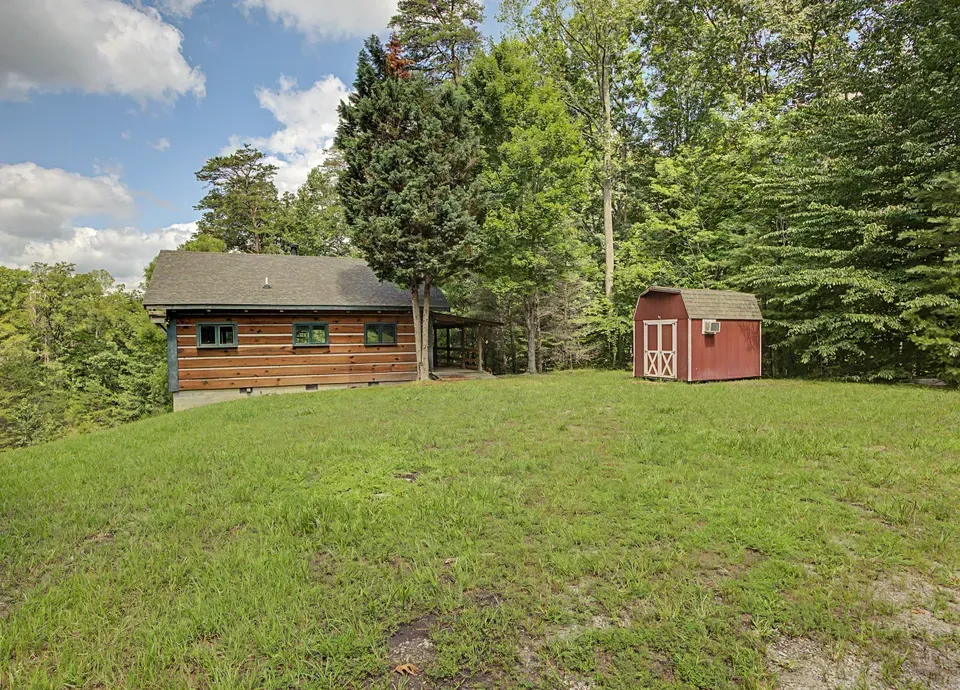
The listings here show how different the cabin experience can be. One combines a wooded setting, water views, a loft, a deck, and a powered shed on a substantial tract of land. Another is a much smaller waterfront getaway where access is by boat. A third places a cabin-style home among redwoods near the Russian River, with a compact footprint and proximity to local recreation. These are distinct versions of rural living rather than interchangeable products.
Virginia Pittsylvania County
Rustic Cabin on 25 Acres near Lake
$299,000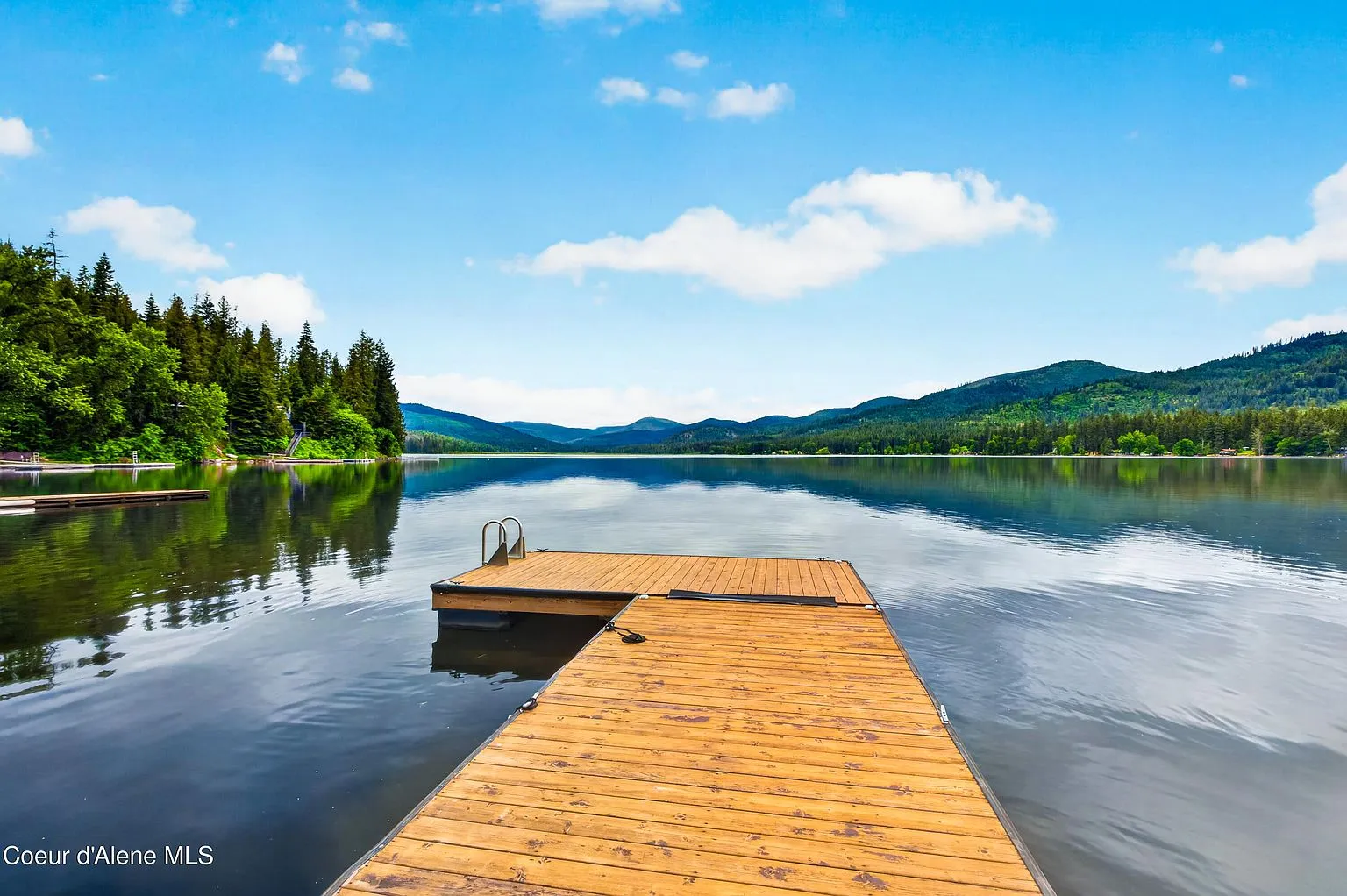
Idaho
Twin Lakes Cabin on 100 Feet of Waterfront in Rathdrum, Idaho
$417,500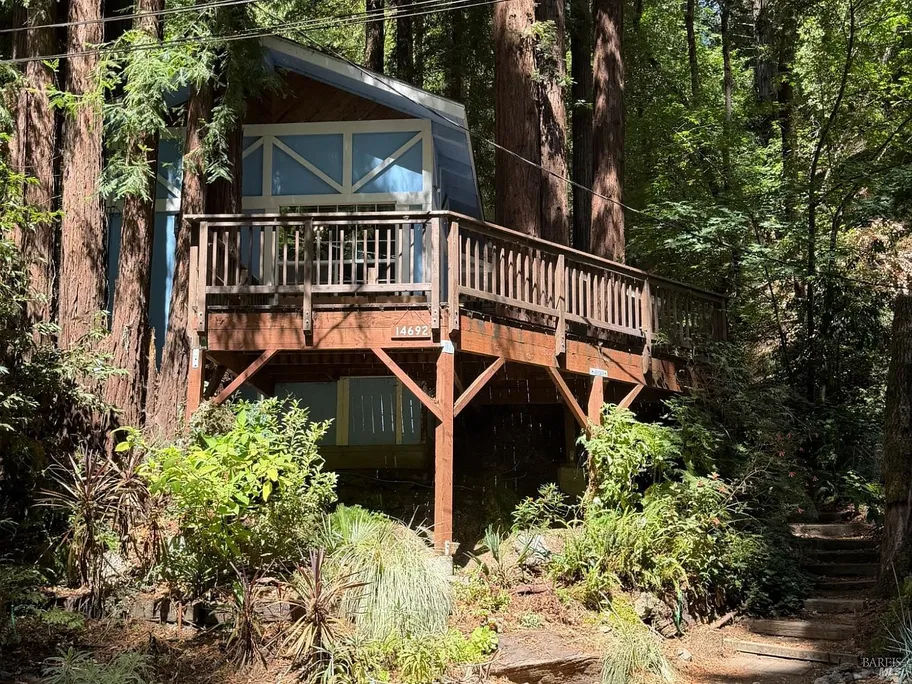
California
Cabin Home for Sale at 14692 Canyon 1 Road in Guerneville, California
$278,000Architecture - Buffalo National River (U.S. National Park Service) ↗
Three cabin settings, three kinds of rural living
Listing 57 is oriented toward privacy and usable outdoor space. The Virginia property includes a one-bedroom cabin, wooded acreage, water views, a wraparound deck, a loft, and a shed with electricity. Its scale and features suggest a retreat that can support both relaxation and hands-on rural use. Buyers should still verify the condition of the well, septic system, access roads, shoreline conditions, and any restrictions affecting the separate tracts.
Listing 145 presents a more concentrated recreational model. The Idaho cabin has two bedrooms, a deck, waterfront frontage on Twin Lakes, and boat-access-only entry. That setting may offer unusual privacy, but it also makes logistics central to ownership: prospective buyers should understand how supplies, maintenance equipment, emergency services, and year-round visits are handled.
Listing 182 offers a different balance between nature and nearby activity. The California cabin-style home sits among redwoods near the Russian River and includes two bedrooms, a partial second bathroom, a wood-burning stove, and a partially covered deck. Its small lot and proximity to community amenities distinguish it from acreage-based retreats, making location and neighborhood context as important as the cabin design itself.
Architecture - Buffalo National River (U.S. National Park Service) ↗
The A-frame is a design language, not a housing category
An A-frame is best understood as an architectural form rather than a separate class of housing. Its steep roof and dramatic interior volume can create a strong connection to the landscape, while the sloping walls may reduce usable floor area near the edges. Furniture placement, insulation, additions, accessibility, and storage all deserve close attention.
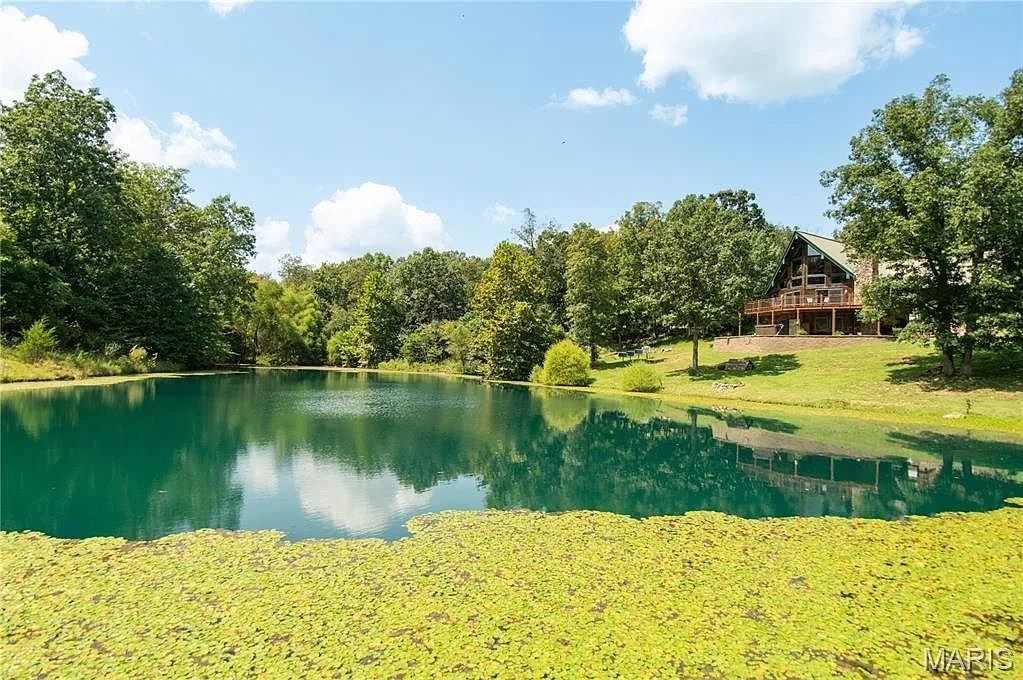
Listing 82 illustrates the A-frame as a substantial rural residence rather than a minimalist weekend structure. The Missouri property includes three bedrooms, three bathrooms, a finished basement, a wraparound porch, a private pond, a shop, and an attached garage. The basement adds living and entertainment space, while the acreage and outbuildings support a more expansive country lifestyle. Buyers comparing A-frames should therefore distinguish the roofline and visual character from the home’s actual layout, support spaces, and site improvements.
Manufactured homes put land tenure at the center
Manufactured homes are not simply another architectural style. They are factory-built homes constructed under the federal HUD Code, and their ownership experience depends heavily on the relationship between the home, the land, local rules, and financing. A buyer who owns both the structure and the land faces a different set of risks and opportunities from someone who owns a home on a leased site. HUD identifies zoning, financing, and delivery challenges as important factors in rural manufactured housing.
The listings in this group place manufactured homes on private acreage, which changes the comparison with homes located in manufactured-home communities. Even so, buyers should confirm whether the home is titled as real property, how it is attached to the site, which foundation standards apply, and whether lenders and insurers will treat the property as a conventional real-estate transaction. Manufactured and modular homes should also not be treated as identical: their construction standards and regulatory pathways differ.
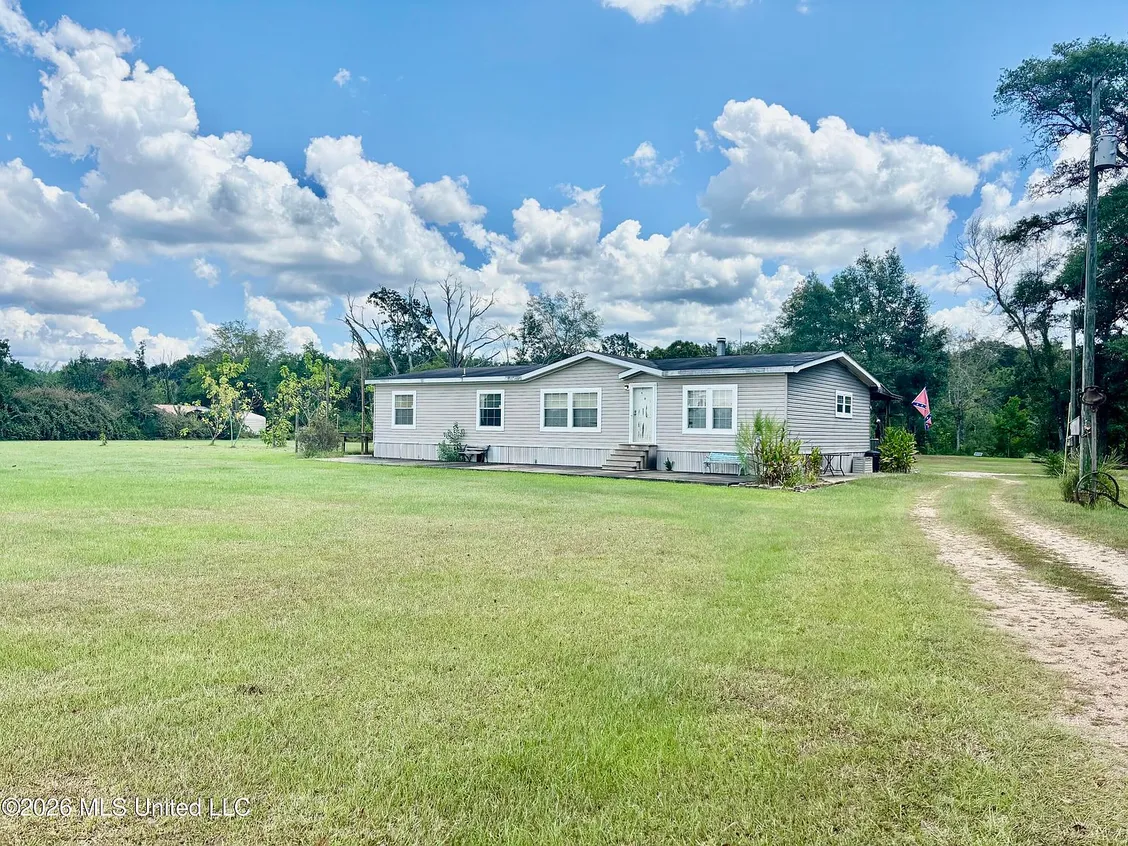
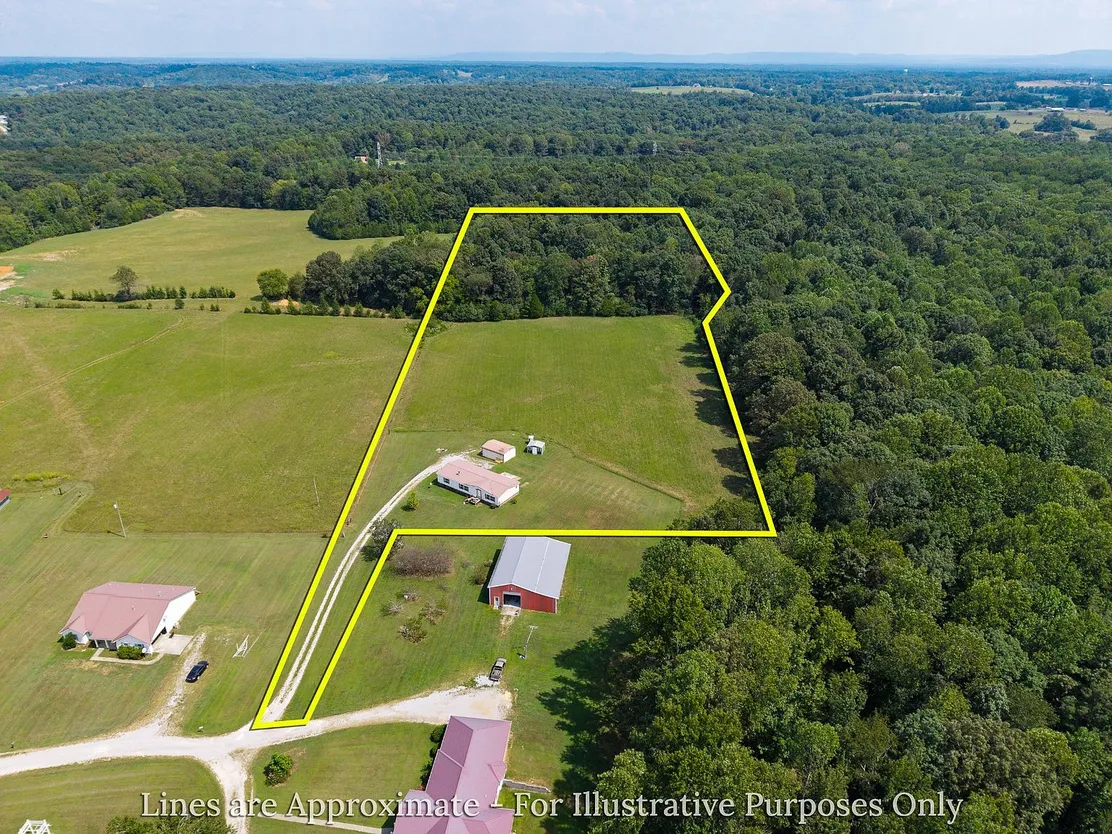
Two manufactured homes, different land strategies
Listing 185 pairs a 2012 double-wide manufactured home with seven acres and direct Pearl River access. The three-bedroom, two-bath home includes a concrete boat ramp from the backyard, making water access a defining part of the property’s use. The acreage offers privacy and outdoor room, but buyers should investigate flood exposure, river conditions, insurance requirements, driveway and ramp maintenance, and any limitations on shoreline improvements.
Listing 238 takes a more land-and-utility-oriented approach. The Tennessee property includes a three-bedroom manufactured home on roughly ten acres divided between pasture and hardwood forest, along with a detached metal garage and storage barn. Its flat terrain and accessory structures may appeal to buyers seeking room for equipment, animals, gardening, or workshop use. A careful review should cover pasture management, forest conditions, drainage, septic capacity, and the permits or restrictions governing outbuildings.
What to compare before choosing a rural home
The most useful comparison is not simply cabin versus A-frame versus manufactured home. It is how each property handles land, access, infrastructure, and daily life. A waterfront retreat may prioritize recreation but complicate access. A larger acreage property may provide privacy and outbuildings while increasing maintenance responsibilities. A compact home near community amenities may reduce isolation but offer less room for expansion.
Buyers should ask whether the structure is intended for full-time occupancy, seasonal use, or occasional recreation; identify the source of water and method of wastewater treatment; confirm internet and emergency-service availability; and estimate the cost of heating, insurance, road upkeep, and site work. For manufactured homes, land ownership, title status, foundation details, and financing deserve particular attention. For cabins and A-frames, buyers should look closely at weatherization, roof condition, fire safety, and the practicality of the floor plan.
Taken together, these properties show why rural housing cannot be reduced to a single aesthetic. The cabin can be intimate or expansive, the A-frame can be recreational or fully residential, and the manufactured home can be a practical long-term residence on substantial private land. The right choice depends less on the label than on the relationship between the home and the land beneath it.
American Community Survey and Puerto Rico Community Survey 2024 Subject Definitions ↗
Frequently Asked Questions
Which listing has the strongest waterfront focus?
Listing 145 is a boat-access-only cabin on Twin Lakes with waterfront frontage. Listing 185 also emphasizes water access, with a concrete boat ramp connecting the property to the Pearl River. The two properties differ substantially in access, acreage, and housing type, so waterfront ownership should be evaluated alongside logistics and maintenance obligations.
Which listing is an A-frame?
Listing 82 is an A-frame home in Missouri. It includes three bedrooms, three bathrooms, a finished basement, a private pond, a shop, and an attached garage.
Which listings are manufactured homes?
Listings 185 and 238 are manufactured homes. Listing 185 is a double-wide on acreage with Pearl River access, while Listing 238 includes pasture, hardwood forest, a detached garage, and a storage barn.
Which cabin is located on the largest amount of land?
Listing 57 has the largest land area among the cabin listings, with a wooded Virginia setting, water views, a one-bedroom cabin, a loft, a wraparound deck, and a powered shed.
Which property is best suited to buyers seeking acreage and outbuildings?
Listings 82 and 238 both offer notable support spaces. Listing 82 includes a shop and attached garage alongside its A-frame, pond, and acreage. Listing 238 includes a detached metal garage and storage barn, with land divided between pasture and hardwood forest.
What should buyers verify before purchasing a rural cabin or manufactured home?
For any of these properties, buyers should verify water, septic, electrical service, internet availability, road access, insurance, zoning, and year-round occupancy requirements. For boat-access-only Listing 145, transportation and emergency access are especially important. For manufactured homes such as Listings 185 and 238, buyers should also confirm title status, foundation and attachment details, financing treatment, and applicable local rules.
Sources
- Rustic Cabin on 25 Acres near Lake
- Twin Lakes Cabin on 100 Feet of Waterfront in Rathdrum, Idaho
- Cabin Home for Sale at 14692 Canyon 1 Road in Guerneville, California
- Private Ozark Retreat with A-Frame Home, Pond, Shop, and 13.12 Acres in Marble Hill, Missouri
- 46 Pearl View Cir, Monticello, MS 39654: Riverfront Manufactured Home on 7 Acres
- Manufactured Home on 10.08 Acres in Kelso, Tennessee
- Rural Housing | HUD USER
- American Community Survey and Puerto Rico Community Survey 2024 Subject Definitions
- Architecture - Buffalo National River (U.S. National Park Service)
- A frame excerpt from the new book by Chad Randl
- Manufactured Housing Homeowner Resources | HUD.gov / U.S. Department of Housing and Urban Development
- U.S. Department of Housing and Urban Development